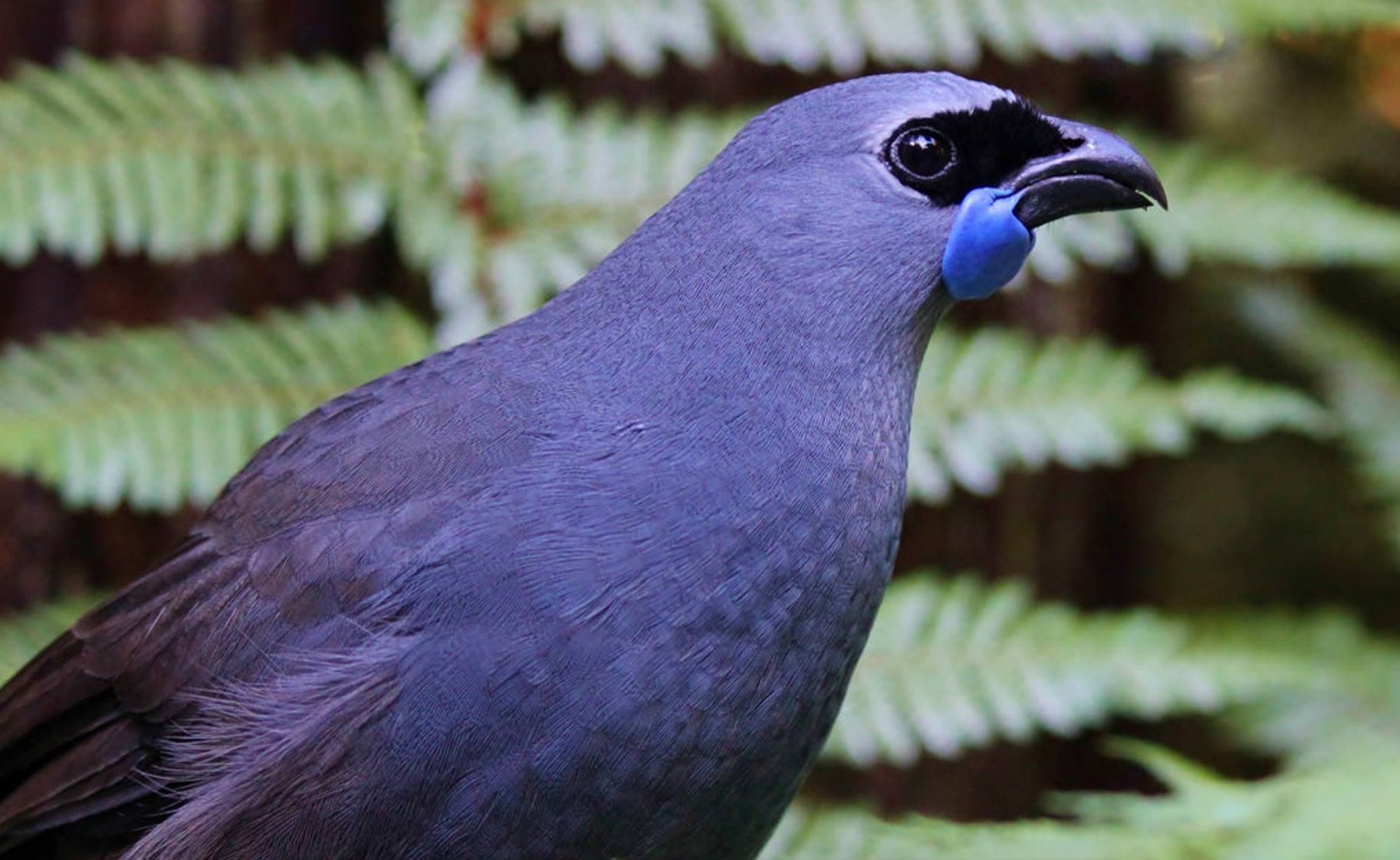
Module 8 · Habitat
Farm Biodiversity
Habitat, natives, and agroforestry
Production and native ecology are not opposites. New Zealand working landscapes can integrate habitat patches, riparian ribbons, shelter belts, and retired slopes while still growing food, fibre, and income if biodiversity is designed in rather than bolted on afterward. A retired gully on a Waikato sheep farm planted in kahikatea and flax can become a thriving bird corridor within a decade without losing a productive paddock.
Farming has fragmented habitats, reduced native species, increased erosion, and polluted waterways through riparian clearance and diffuse runoff. Restoration on degraded land means prioritising key species and ecosystems, controlling predators, revegetating wetlands, and managing stock away from vulnerable banks. Map existing native remnants first, then design corridors to connect them across your working land.
Riparian buffers, retired steep faces, and mixed shelter belts all earn their keep ecologically and productively. Silvopasture and orchard understorey add structural layers that support lizards, invertebrates, and soil health at once. Reducing biocide use is one of the fastest levers for recovering native invertebrate populations on any New Zealand farm. A structurally diverse farm is more resilient to pest outbreaks because diversity reduces the monoculture conditions pests exploit. Biodiversity is one of the few farm investments that starts paying before it is finished: pollinators and pest predators move in the moment the first flowering strip goes in, well before the habitat planting matures.
Match agroforestry species to your soil type, wind exposure, and real yield goals. Native and productive are not opposites. Species choice should reflect regional ecotypes and council requirements, not generic nursery lists. Significant Natural Area schedules and regional biodiversity strategies may constrain or enable what you plant where. Pest plants and animals are a land-health signal. Research your bioregional pressure species before finalising a habitat plan.
On a fifty-hectare lifestyle block in the Manawatū, linking a retired streamside willow removal site to an existing kānuka stand with a planted flax and mānuka buffer restored kiwi calling within three seasons and reduced bank erosion measurably in year one. Biodiversity returns pest control, pollination, soil stability, and resilience. Those are natural assets with economic value as well as ecological worth.
Biodiversity earns its place on the same map as your paddocks, not a separate conservation plan filed elsewhere. Enrolled learners build an inventory and connectivity plan that links directly to their enterprise and water sections, so habitat becomes part of how the property works, not an afterthought bolted on at the end.
This page is a self-contained module summary for visitors who are not yet enrolled. Subscribe for quizzes, forums, design tasks, theme guides, and portfolio coaching across the full course.