Module 6 · Climate
Understanding Climate
NZ climate zones and microclimates
Regional climate tables mislead designers if they ignore microclimate: how buildings, slopes, vegetation, and water bodies modify wind, temperature, and sunshine on your actual site. Your site has its own climate story. A frost hollow in a Waikato paddock or a nor'west heat trap on a Canterbury terrace can make or break a planting decision that looked fine on a regional map.
Open NIWA's national climate maps and record mean annual rainfall, temperature, frost days, and drought risk for your region. Then walk the lowest points of your site at dawn after a clear, calm night and look for frost-burned grass. Those are your frost pockets. Regional averages rarely tell the whole story. Frost hollows, heat traps, and wind tunnels create different growing envelopes a few metres apart. Two garden beds on the same block can effectively be growing in two different seasons once frost pooling and heat trapping are mapped properly.
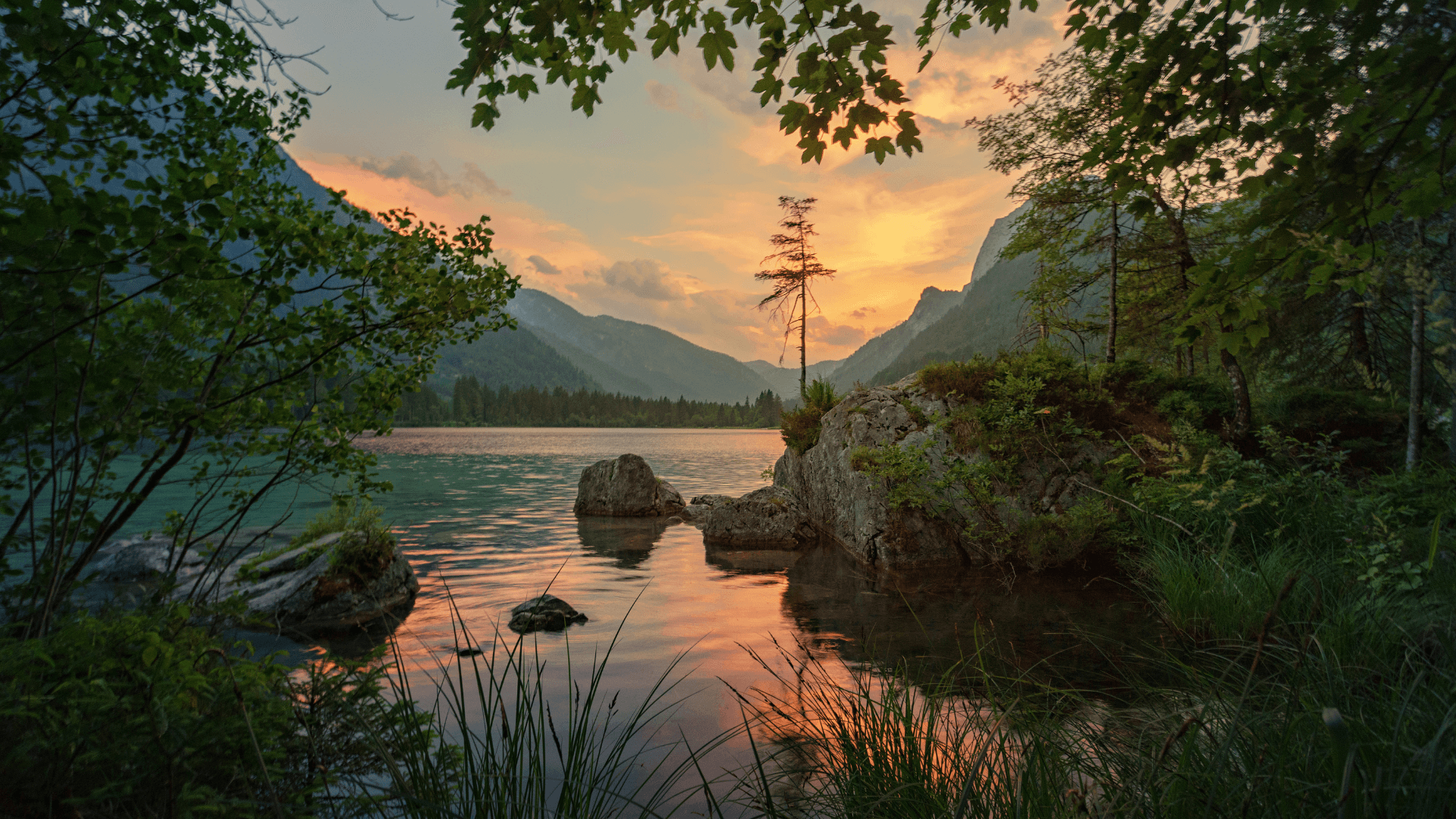
North-facing aspects warm quickly in spring. Frost flows downhill like water and pools in hollows. Steep hillsides drain frost better than flat valley floors. Lakes, ponds, and rivers buffer temperature through thermal mass and can extend frost-free periods near dwellings. Identify at least one heat trap and one wind tunnel on your site before you finalise planting or building placement.
Windbreaks should be roughly forty percent permeable with multi-functional species that fix nitrogen, provide forage, timber, or habitat. Benefits include energy savings, reduced stock stress, erosion control, and higher garden yields. In New Zealand, productive areas often sit in north-easterly positions with shelter from dominant south and west winds, especially on exposed lifestyle blocks and coastal farms. A poorly placed gap between shelter belts can create a wind tunnel that undoes years of careful planting.
Cross-reference El Niño and La Niña patterns with your region. Drier springs in the east and wetter conditions in the west change planting windows, grazing recovery, and water storage timing. Design for extremes first. Drought-resilient groundcovers, swales, and storm diversion drains are infrastructure, not afterthoughts. Season extension with cloches, thermal mass, and cool-season crops under taller plants extends what your climate allows.
Regional averages get you started. Your own frost pockets and heat traps are what actually decide where the shelter belt goes and when you sow. Enrolled learners turn NIWA baselines and site observation into portfolio evidence that every later production module, from orchard to garden, can build on without guessing.
This page is a self-contained module summary for visitors who are not yet enrolled. Subscribe for quizzes, forums, design tasks, theme guides, and portfolio coaching across the full course.