Module 22 · Synthesis
Holistic Land Design
Whole-site pattern · Book Chapter 21
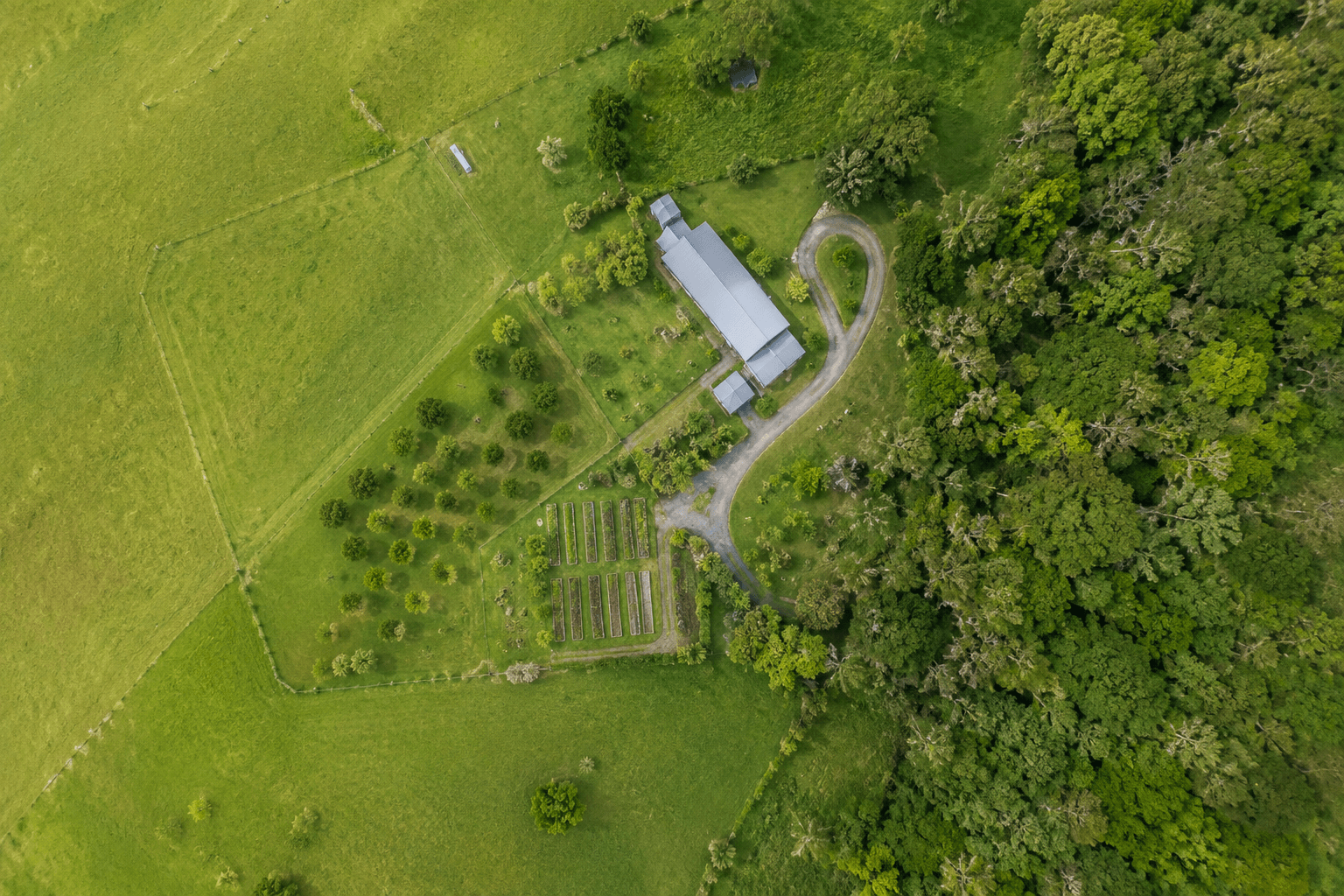
Climate, water, soil, biodiversity, grazing, enterprise, and community stop being separate modules here and become one interacting system. Nothing fundamentally new is introduced. Prior modules are woven into a richer way of seeing your property. The property does not fail in the places you are looking. It fails at the seams, where traffic meets wet ground and water is asked to turn too sharply. A wet gateway, a struggling wetland, and an eroding bank often present as three separate problems. Traced upstream, they are frequently the same problem surfacing in three places, waiting on one leverage point to fix all three at once.
The shift is from analysing components to reading relationships. A wetland treating symptoms downstream of compacted gateways is a low-leverage fix. Relocating winter traffic or reshaping sacrifice areas may change the entire catchment story. Whole-farm design names those leverage points. Stack every analysis layer before placing new elements. Trace pressure, flow, and recovery across the whole site after rain.
Design hierarchy matters. Protect flow paths first, then place infrastructure, then intensify production, then diversify. Sectors show where energies cross the site. Zones show how far you will walk every day. Both must appear on one base map before elements are placed. Relative location shortens paths between outputs and their next use. Small relocations can have system-wide effects when they sit at the right leverage point.
Pressure, flow, and recovery describe how stress moves. A west coast storm or Canterbury nor'wester tests weak points fast. The after-rain walk remains the cheapest whole-farm diagnostic: where water concentrates, where soil is bare, where traffic smears ground. Design through time. Phased implementation is ecological sequencing, not a delayed wish list. Direction matters more than a finished destination drawn in year one.
A Manawatū lifestyle block where riparian planting, food forest, and wetland each looked correct in isolation shows the lesson clearly. Compacted gateways upstream bypassed every downstream fix until traffic and water were redesigned together. Integrating production subsystems means checking that orchard, pasture, dwelling, and enterprise plans share the same boundary, scale, and story of how energy and nutrients move across New Zealand land.
By this stage you are not adding more components, you are learning to see the ones you already have as one system. Learners stack their portfolio overlays from earlier modules into a whole-property synthesis that shows where the parts reinforce each other, and where they have quietly been working against each other all along.
This page is a self-contained module summary for visitors who are not yet enrolled. Subscribe for quizzes, forums, design tasks, theme guides, and portfolio coaching across the full course.